Looking for a remedy for what ails you? Look no further than your own pantry. Some of the most nutritious foods are great topical remedies and hair treatments.
Try these two DIY pre-shampoo treatments for thinning hair.
Hair Growth: Ginger Infused Hair Oil
Ginger encourages blood circulation which helps stimulate hair growth. Blood flow also directs nutrients and oxygen to the surface, nourishing the scalp and hair follicles.
Ingredients
1/2 teaspoon grated ginger
1/4 cup olive oil
1 spring of Rosemary or a few drops of essential oil (optional)
Instructions
Add grated ginger (and rosemary) to olive oil heated the olive oil on low heat. Remove ginger from heat once it turns and allow to cool. Once cool, strain the ginger out of the oil.
Apply to the scalp for up to 10 minutes and then rinse thoroughly, follow with shampoo.
If you want to keep it simple, you can substitute the freshly grated ginger with 1-2 drops of ginger essential oil. I like going through the process of making from scratch though.
This ginger-infused oil is easy to make at home and can be applied a few times a month. I purchased fine mist spray bottles from here.
Hair Growth & Strength: Coconut Milk Mask
Coconut milk contains healthy proteins and essential fats, both of which boost hair growth. Ingredients
1/2 cup coconut milk
3 teaspoons olive oil
Instructions
Combine ingredients, apply the mixture to your scalp and then work the mask through your hair. Massage the mask into your scalp and through the ends of your hair. Wear a cap to allow heat to help with deeper penetration. Leave on for 10-15 minutes and then use a clarifying shampoo to rinse the mask out.
Looking for a remedy for what ails you? Look no further than your own pantry. Some of the most nutritious foods are great topical remedies and hair treatments.
Try these two DIY pre-shampoo treatments for thinning hair.
Hair Growth: Ginger Infused Hair Oil
Ginger encourages blood circulation which helps stimulate hair growth. Blood flow also directs nutrients and oxygen to the surface, nourishing the scalp and hair follicles.
Ingredients
1/2 teaspoon grated ginger
1/4 cup olive oil
1 spring of Rosemary or a few drops of essential oil (optional)
Instructions
Add grated ginger (and rosemary) to olive oil heated the olive oil on low heat. Remove ginger from heat once it turns and allow to cool. Once cool, strain the ginger out of the oil.
Apply to the scalp for up to 10 minutes and then rinse thoroughly, follow with shampoo.
If you want to keep it simple, you can substitute the freshly grated ginger with 1-2 drops of ginger essential oil. I like going through the process of making from scratch though.
This ginger-infused oil is easy to make at home and can be applied a few times a month. I purchased fine mist spray bottles from here.
Hair Growth & Strength: Coconut Milk Mask
Coconut milk contains healthy proteins and essential fats, both of which boost hair growth. Ingredients
1/2 cup coconut milk
3 teaspoons olive oil
Instructions
Combine ingredients, apply the mixture to your scalp and then work the mask through your hair. Massage the mask into your scalp and through the ends of your hair. Wear a cap to allow heat to help with deeper penetration. Leave on for 10-15 minutes and then use a clarifying shampoo to rinse the mask out.
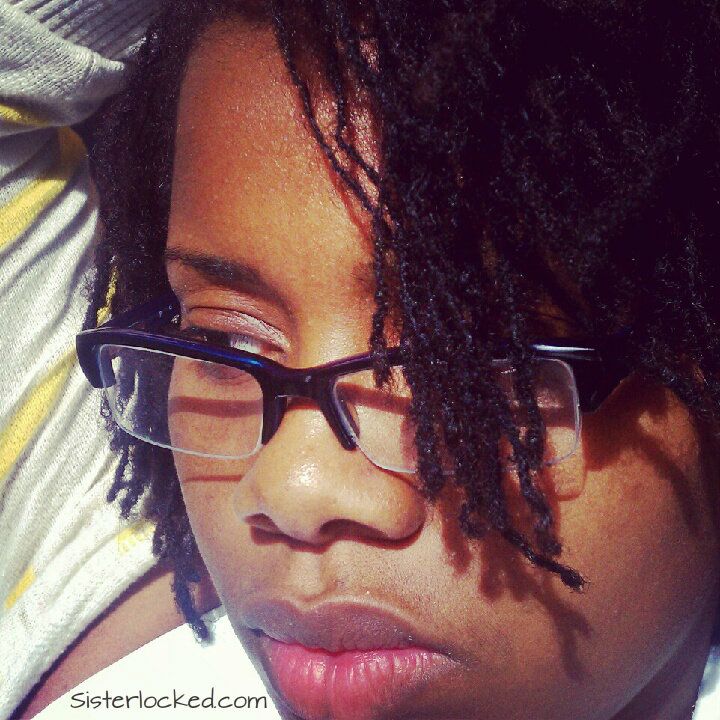
I've had my own battles with hair loss in the past. I installed my sisterlocks immediately after having my first kid and before the onset of postpartum hair loss. The professional caring for my hair at the time did not advise me through this very difficult season and it took me a long time to figure out what was happening and why.
Postpartum Hair Loss
Since then, and with a great deal of personal research, I learned that my initial hair loss culprit was a mix of hormones and traction alopecia and eventually breakage due to weak spots formed during my hormonal loss periods.
The first step at preventing or stopping excessive and abnormal hair loss is identifying the culprit. Below you will find the more applicable forms of hair loss, please note this will not encompass when medical/environmental trigger but are the more common forms.
Types of Hair Loss and Ways to Remedy or Prevent
Hair Breakage
Hair loss that occurs along the hair shaft and not the root. This can be cause by dryness, friction, hair styles, excessive handling, or using the wrong styling tools.
You can prevent and remedy breakage by self-assessing your routine and discontinue or change your hair care routine. Consider doing a protein treatment, changing the way you moisturize, and your hairstyle of choice.
Temporary hair loss may occur weeks or even months after an episode of stress like childbirth, fever, severe illness, stress or sudden weight loss, which decreases gradually in a few months. This type of hair loss is called telogen effluvium (TE). This happens due to changes in the growth cycle of hair, when a large number of hair go into the resting phase (telogen) at the same time. I myself have experienced postpartum hair loss on two occasions.
The treatment for effluvium will vary by trigger
When TE trigger is short-term due to something like surgery, the best response is to patiently wait for the follicles to recover on their own.
For ongoing TE issues, isolate the cause and remove it. For instance, if stress is the problem, stress reduction is the best treatment and prevention. If a dietary deficiency appears on a blood test, try supplements and a change in diet. If it is a deficiency in thyroid hormones, this can be treated with hormone supplements.
If a specific cause can not be determined, there are some professional treatment options. Most dermatologists prescribe minoxidil, a direct hair growth stimulator. This can work well for some, but if the underlying cause is still present, then minoxidil must be continued to block redevelopment of TE. The best medicine is figuring out the cause and addressing it directly.
Androgenic Alopecia
Sometimes called male pattern baldness, this may happen to women as well. If there is general thinning of the hair over the entire scalp, extensive hair loss at the crown with the hairline at the front intact, this may be female pattern baldness. As hair thinning occurs, the scalp becomes progressively more visible. The hair loss rarely progresses to total or near total baldness. Thinning may start in your 20s but may not become noticeable until your 40s or later because the pace is gradual.
The most common treatment for male or female pattern baldness is minoxidil.
Traction Alopecia
Traction Alopecia is hair loss due to pressure and pulling on the hair because of particular hairstyles causing small, localized areas of hair loss. I have a bald spot that has never grown back due to a bad set of cornrows in college.
You can prevent this by avoiding very tight longterm hair styles and treating areas immediately with a growth oil like rosemary or some other healing hair oil with massage to try and stimulate the area.
Overprocessing and Cuticle Stripping
The most common cause of physical hair damage is overprocessing. Perming, straightening, bleaching, and dyeing the hair all involve harsh chemicals that can significantly affect the integrity of hair fiber. Using these cosmetic approaches too frequently or inappropriately can lead to irreversible damage to the hair fiber. The more hair fiber is damaged by these processes the weaker it will be and the more likely it will break off. Severe chemical processing can so significantly damage to the hair fiber that the fiber at the root is severely weakened it causes the hair to break off at the skin surface. This result is a diffuse "alopecia".
Damage due to overprocessing is difficult to treat. The best approach may be to cut off as much damaged hair as possible, avoid further chemical processing, be gentle with your hair and wait for new, undamaged hair to grow in. There are cosmetic treatments to help "glue" damaged hair proteins back together, they only work for a short time and have to be reapplied regularly and end result is never as good as the original and undamaged hair.
Infections
There are a number of infections that could cause hair loss, here are some common ones:
Fungal infections like ring worm (tinea capitis), which can occur anywhere on the body and cause temporary hair loss and is usuallty treated with an antibiotic
Folliculitis or a focal inflammation of hair follicles that looks like acne with little rings of inflammation surrounding the opening of a hair follicle. This can be caused by oils and greases applied to the skin that clog up the hair follicles, but folliculitis is usually due to a bacterial infection. It can be treated by antibiotics or a change in products.
Seborrheic dermatitis is a skin condition, but it can also involve temporary hair loss if the dermatitis is located on the scalp or other haired skin areas. The dermatitis looks scaly and at times oily, inflamed skin that can be itchy or even painful to touch. The most common treatments are anti-dandruff shampoos.
Shedding
Everyone sheds hair and you may see more hair shed at certain times of the year. Studies show that humans, at least in Northern Europe away from the equator, shed more hair in the fall and to a lesser extent in the spring.
This temporary increase in the number of telogen hair follicles and shed hair is probably due to changes in hormones in response to changes in daylight exposure. Studies in mink and other mammals show that daylight exposure significantly alters prolactin levels and that prolactin has a significant effect on molting. As with mink and other mammals, humans probably have much the same molting response. So hair loss can be temporary and seasonal without cause for worry.
There are many hair loss trigger, but the first steps of treatment and prevention is to analyze our lives, health and physical treatment of our hair.
I've had my own battles with hair loss in the past. I installed my sisterlocks immediately after having my first kid and before the onset of postpartum hair loss. The professional caring for my hair at the time did not advise me through this very difficult season and it took me a long time to figure out what was happening and why.
Postpartum Hair Loss
Since then, and with a great deal of personal research, I learned that my initial hair loss culprit was a mix of hormones and traction alopecia and eventually breakage due to weak spots formed during my hormonal loss periods.
The first step at preventing or stopping excessive and abnormal hair loss is identifying the culprit. Below you will find the more applicable forms of hair loss, please note this will not encompass when medical/environmental trigger but are the more common forms.
Types of Hair Loss and Ways to Remedy or Prevent
Hair Breakage
Hair loss that occurs along the hair shaft and not the root. This can be cause by dryness, friction, hair styles, excessive handling, or using the wrong styling tools.
You can prevent and remedy breakage by self-assessing your routine and discontinue or change your hair care routine. Consider doing a protein treatment, changing the way you moisturize, and your hairstyle of choice.
Temporary hair loss may occur weeks or even months after an episode of stress like childbirth, fever, severe illness, stress or sudden weight loss, which decreases gradually in a few months. This type of hair loss is called telogen effluvium (TE). This happens due to changes in the growth cycle of hair, when a large number of hair go into the resting phase (telogen) at the same time. I myself have experienced postpartum hair loss on two occasions.
The treatment for effluvium will vary by trigger
When TE trigger is short-term due to something like surgery, the best response is to patiently wait for the follicles to recover on their own.
For ongoing TE issues, isolate the cause and remove it. For instance, if stress is the problem, stress reduction is the best treatment and prevention. If a dietary deficiency appears on a blood test, try supplements and a change in diet. If it is a deficiency in thyroid hormones, this can be treated with hormone supplements.
If a specific cause can not be determined, there are some professional treatment options. Most dermatologists prescribe minoxidil, a direct hair growth stimulator. This can work well for some, but if the underlying cause is still present, then minoxidil must be continued to block redevelopment of TE. The best medicine is figuring out the cause and addressing it directly.
Androgenic Alopecia
Sometimes called male pattern baldness, this may happen to women as well. If there is general thinning of the hair over the entire scalp, extensive hair loss at the crown with the hairline at the front intact, this may be female pattern baldness. As hair thinning occurs, the scalp becomes progressively more visible. The hair loss rarely progresses to total or near total baldness. Thinning may start in your 20s but may not become noticeable until your 40s or later because the pace is gradual.
The most common treatment for male or female pattern baldness is minoxidil.
Traction Alopecia
Traction Alopecia is hair loss due to pressure and pulling on the hair because of particular hairstyles causing small, localized areas of hair loss. I have a bald spot that has never grown back due to a bad set of cornrows in college.
You can prevent this by avoiding very tight longterm hair styles and treating areas immediately with a growth oil like rosemary or some other healing hair oil with massage to try and stimulate the area.
Overprocessing and Cuticle Stripping
The most common cause of physical hair damage is overprocessing. Perming, straightening, bleaching, and dyeing the hair all involve harsh chemicals that can significantly affect the integrity of hair fiber. Using these cosmetic approaches too frequently or inappropriately can lead to irreversible damage to the hair fiber. The more hair fiber is damaged by these processes the weaker it will be and the more likely it will break off. Severe chemical processing can so significantly damage to the hair fiber that the fiber at the root is severely weakened it causes the hair to break off at the skin surface. This result is a diffuse "alopecia".
Damage due to overprocessing is difficult to treat. The best approach may be to cut off as much damaged hair as possible, avoid further chemical processing, be gentle with your hair and wait for new, undamaged hair to grow in. There are cosmetic treatments to help "glue" damaged hair proteins back together, they only work for a short time and have to be reapplied regularly and end result is never as good as the original and undamaged hair.
Infections
There are a number of infections that could cause hair loss, here are some common ones:
Fungal infections like ring worm (tinea capitis), which can occur anywhere on the body and cause temporary hair loss and is usuallty treated with an antibiotic
Folliculitis or a focal inflammation of hair follicles that looks like acne with little rings of inflammation surrounding the opening of a hair follicle. This can be caused by oils and greases applied to the skin that clog up the hair follicles, but folliculitis is usually due to a bacterial infection. It can be treated by antibiotics or a change in products.
Seborrheic dermatitis is a skin condition, but it can also involve temporary hair loss if the dermatitis is located on the scalp or other haired skin areas. The dermatitis looks scaly and at times oily, inflamed skin that can be itchy or even painful to touch. The most common treatments are anti-dandruff shampoos.
Shedding
Everyone sheds hair and you may see more hair shed at certain times of the year. Studies show that humans, at least in Northern Europe away from the equator, shed more hair in the fall and to a lesser extent in the spring.
This temporary increase in the number of telogen hair follicles and shed hair is probably due to changes in hormones in response to changes in daylight exposure. Studies in mink and other mammals show that daylight exposure significantly alters prolactin levels and that prolactin has a significant effect on molting. As with mink and other mammals, humans probably have much the same molting response. So hair loss can be temporary and seasonal without cause for worry.
There are many hair loss trigger, but the first steps of treatment and prevention is to analyze our lives, health and physical treatment of our hair.
A reader recently send me an email asking about postpartum sisterlocks:
Hi Sam,
You inspired me to get sisterlocks! Your locs are just
gorgeous and I follow your blog faithfully. Also follow you on
Instagram. I wanted your assistance with postpartum shedding. I have
had my locs for a little over a year and they are growing nicely. However,
I had a baby 5 months ago and I have been shedding like crazy! Any
advice?
Are you still retightening your own hair? If yes, what tool are you using? Thanks in advance!
Here is my response:
Firstly, thanks for following! How serendipitous, I have an unfinished post about preventing loc loss with a little blurb related to this. I’ll eventually finish and post, but I am happy to speak to your situation right now.
Postpartum shedding, for me, was so terrible, especially since I went thorough it twice. I had my sisterlocks installed during maternity leave with my first and then had my second 18 months later. Hormonal hair loss is a little different because it isn't caused by environmental or behavioral factors. I hate to say it but, there is little that you can do to prevent it from happening, but you can make sure your behavior does not make it worse!
One of the mistakes I made was loc neglect, which added insult to excessive shedding injury. I know it is hard with a newborn, but don’t neglect your hair. More specifically try to:
A reader recently send me an email asking about postpartum sisterlocks:
Hi Sam,
You inspired me to get sisterlocks! Your locs are just
gorgeous and I follow your blog faithfully. Also follow you on
Instagram. I wanted your assistance with postpartum shedding. I have
had my locs for a little over a year and they are growing nicely. However,
I had a baby 5 months ago and I have been shedding like crazy! Any
advice?
Are you still retightening your own hair? If yes, what tool are you using? Thanks in advance!
Here is my response:
Firstly, thanks for following! How serendipitous, I have an unfinished post about preventing loc loss with a little blurb related to this. I’ll eventually finish and post, but I am happy to speak to your situation right now.
Postpartum shedding, for me, was so terrible, especially since I went thorough it twice. I had my sisterlocks installed during maternity leave with my first and then had my second 18 months later. Hormonal hair loss is a little different because it isn't caused by environmental or behavioral factors. I hate to say it but, there is little that you can do to prevent it from happening, but you can make sure your behavior does not make it worse!
One of the mistakes I made was loc neglect, which added insult to excessive shedding injury. I know it is hard with a newborn, but don’t neglect your hair. More specifically try to:
My corporate wellness nurse noted that my hair issues could stem from a lack of protein. But, I believe I eat plenty of protein, at least that is what MyfitnessPal.com tells me. I know I am genetically predisposed for low iron and I eat lots of iron rich foods and I have increased my red meat recently. But I wonder if diet is a culprit, any one who follows my life and marriage blog knows I eat wonderfully (see one of my new recipes below) but I wonder if my genetic iron issues is to blame. My blood work was superb and my thyroid functions perfectly so I know my hair-loss was not related to the more common issues.
Alas, I have decieded to eat a body and hair healthy diet as well as return to a rich chemical free and homemade scalp conditioning regiment (even though sisterlocks corporate frowns upon it).
My corporate wellness nurse noted that my hair issues could stem from a lack of protein. But, I believe I eat plenty of protein, at least that is what MyfitnessPal.com tells me. I know I am genetically predisposed for low iron and I eat lots of iron rich foods and I have increased my red meat recently. But I wonder if diet is a culprit, any one who follows my life and marriage blog knows I eat wonderfully (see one of my new recipes below) but I wonder if my genetic iron issues is to blame. My blood work was superb and my thyroid functions perfectly so I know my hair-loss was not related to the more common issues.
Alas, I have decieded to eat a body and hair healthy diet as well as return to a rich chemical free and homemade scalp conditioning regiment (even though sisterlocks corporate frowns upon it).
After my mystery bald spot reveal, I've received some lovely encouraging words and some theories. After a Google search or two, I think I've narrowed it down to a couple of forms of Alopecia. Alopecia is essentially a blanket word for hair loss with different forms stemming from different causes.
I believe my alopecia, which has come and gone with my sisterlocks have numerous culprits:
Hair Loss
Hormonal Change: I had my sisterlocks installed four months after giving birth and one of the post-pardum side effects is hair loss due to hormonal changes. My hair started to thicken back up but alas shortly there-after I became pregant again and did not help with the thinning.
Traction Alopecia: I have a tiny bald spot that I have had for years after getting a set of braids too tight, which compromised the hair follicles in that area.
Iron Deficiency: I have two genetic blood disorders that prevent the proper absorption of iron. Iron deficiency and malnutrition in general can cause hair loss.
I will be trying a number of things inclusive of supplements, herbal concoctions, diet and scalp massage. A common remedy for alopecia is steroid injection. I love my sisterlocks but I don't feel steroids is an option because it just seem so intense for hair. I love my hair but I believe in a balanced and natural lifestyle more.
My hair is for the most part wonderful, it is everything I have ever wanted but alas not even close to perfect. I'll try my best to figure out and remedy this bald spot, not for the aesthetic of hair but because my body is trying to tell me something and I am going to listen.
After my mystery bald spot reveal, I've received some lovely encouraging words and some theories. After a Google search or two, I think I've narrowed it down to a couple of forms of Alopecia. Alopecia is essentially a blanket word for hair loss with different forms stemming from different causes.
I believe my alopecia, which has come and gone with my sisterlocks have numerous culprits:
Hair Loss
Hormonal Change: I had my sisterlocks installed four months after giving birth and one of the post-pardum side effects is hair loss due to hormonal changes. My hair started to thicken back up but alas shortly there-after I became pregant again and did not help with the thinning.
Traction Alopecia: I have a tiny bald spot that I have had for years after getting a set of braids too tight, which compromised the hair follicles in that area.
Iron Deficiency: I have two genetic blood disorders that prevent the proper absorption of iron. Iron deficiency and malnutrition in general can cause hair loss.
I will be trying a number of things inclusive of supplements, herbal concoctions, diet and scalp massage. A common remedy for alopecia is steroid injection. I love my sisterlocks but I don't feel steroids is an option because it just seem so intense for hair. I love my hair but I believe in a balanced and natural lifestyle more.
My hair is for the most part wonderful, it is everything I have ever wanted but alas not even close to perfect. I'll try my best to figure out and remedy this bald spot, not for the aesthetic of hair but because my body is trying to tell me something and I am going to listen.
Apple Cider Vinegar (ACV) is one of my favorite products. I make the best marinades with it as a base, it has wonderful uses around the house and it is an awesome hair care product. ACV has an acidity similar to that of natural hair and acts as a conditioner, cleanser and germ killer. Some have noted that the use of ACV has helped in fighting scalp issues, help reduce DHT which causes the hair follicle to shrink and lead to hair loss and dandruff. ACV also increases shine and removes buildup!
My focus this weekend is buildup removal, shine, conditioning and color. Keep the following in mind if you are considering creating your own concoction:
Here are some recommended herbs to use with apple cider vinegar:
For
dark hair- Parsley, Rosemary, Sage
light hair- Chamomile, Flannel Mullein, Marigold
red hair- Henna
oily hair- Lavender, Thyme, Witch Hazel, Yarrow
dry hair- Marigold
brittle hair-Horsetail
Make your own herbal hair rinse:
Place 2 tablespoons of the dried herb (or herb mixture) into a muslin bag or tea ball and put in a warmed tea pot.
Pour 2 Cups of boiling water over the herbs and infuse for 2 hours.
Allow the liquid to cool then pour it into a jar.
Add 2 cups of apple cider vinegar and mix well.
To add extra fragrance to the herbal rinse, try adding a few drops of lavender or lemon or rose essential oils.
Create quicker concoction by using essential oils. Just add 5 drops of the essential oil to 1 cup of ACV. When ready to rinse hair, take 1 tablespoon of this mixture and add it to 1 cup of warm water.
These Essential Oils work best with ACV:
Lavender
Lemon
Rose
Rosemary
Sage
I will be doing this soon and will follow up with a post once I see the result after a couple of days. It is recommend to use no more than every 2 weeks. I will also be adding aloe juice for extra conditioning. If you prefer to buy it pre-made, I found some products on Amazon and added the links below. source
Apple Cider Vinegar (ACV) is one of my favorite products. I make the best marinades with it as a base, it has wonderful uses around the house and it is an awesome hair care product. ACV has an acidity similar to that of natural hair and acts as a conditioner, cleanser and germ killer. Some have noted that the use of ACV has helped in fighting scalp issues, help reduce DHT which causes the hair follicle to shrink and lead to hair loss and dandruff. ACV also increases shine and removes buildup!
My focus this weekend is buildup removal, shine, conditioning and color. Keep the following in mind if you are considering creating your own concoction:
Here are some recommended herbs to use with apple cider vinegar:
For
dark hair- Parsley, Rosemary, Sage
light hair- Chamomile, Flannel Mullein, Marigold
red hair- Henna
oily hair- Lavender, Thyme, Witch Hazel, Yarrow
dry hair- Marigold
brittle hair-Horsetail
Make your own herbal hair rinse:
Place 2 tablespoons of the dried herb (or herb mixture) into a muslin bag or tea ball and put in a warmed tea pot.
Pour 2 Cups of boiling water over the herbs and infuse for 2 hours.
Allow the liquid to cool then pour it into a jar.
Add 2 cups of apple cider vinegar and mix well.
To add extra fragrance to the herbal rinse, try adding a few drops of lavender or lemon or rose essential oils.
Create quicker concoction by using essential oils. Just add 5 drops of the essential oil to 1 cup of ACV. When ready to rinse hair, take 1 tablespoon of this mixture and add it to 1 cup of warm water.
These Essential Oils work best with ACV:
Lavender
Lemon
Rose
Rosemary
Sage
I will be doing this soon and will follow up with a post once I see the result after a couple of days. It is recommend to use no more than every 2 weeks. I will also be adding aloe juice for extra conditioning. If you prefer to buy it pre-made, I found some products on Amazon and added the links below. source
I have this bald patch and I have no idea where it came from! It looks as though I lost two locks in the front (2nd row on the left hand side). During my last re-tightening, I let someone do my edges and it was not my regular lady... what happened?!! I am now massaging my scalp with my rosemary and bergamot oil mix. I am crying on the inside! Right when I grew my previous patches after switching consultants to a woman with a more tender touch... choose your consultants wisely or do it yourself! Maybe it is the postpartum hormones balancing and hopefully I can rectify the situation!
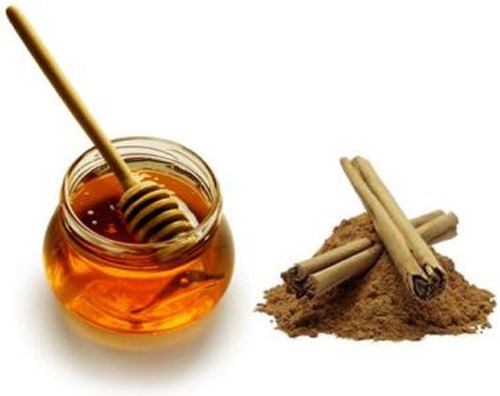
I found this home remedy for hair loss from Seasoned To Taste, hope it works!
HAIR LOSS: Those suffering from hair loss or baldness,
may apply a paste of hot olive oil, one tablespoon of honey, one
teaspoon of cinnamon powder before bath and keep it for approx. 15 min.
and then wash the hair. It was found to be effective even if kept on for
5 minutes.
I have this bald patch and I have no idea where it came from! It looks as though I lost two locks in the front (2nd row on the left hand side). During my last re-tightening, I let someone do my edges and it was not my regular lady... what happened?!! I am now massaging my scalp with my rosemary and bergamot oil mix. I am crying on the inside! Right when I grew my previous patches after switching consultants to a woman with a more tender touch... choose your consultants wisely or do it yourself! Maybe it is the postpartum hormones balancing and hopefully I can rectify the situation!
I found this home remedy for hair loss from Seasoned To Taste, hope it works!
HAIR LOSS: Those suffering from hair loss or baldness,
may apply a paste of hot olive oil, one tablespoon of honey, one
teaspoon of cinnamon powder before bath and keep it for approx. 15 min.
and then wash the hair. It was found to be effective even if kept on for
5 minutes.
I have had my fair share of thin locks, mostly from hair loss at the edges after intense re-tighten sessions. Once the hair starts to grow back and grow longer I am faced with a dilemma similar to Kreyola's... Should I or Shouldn't I cut them off. I have made the decision on a loc by loc basis to cut them off for aesthetic reasons. Sometimes the loc is hanging by a string and thick at the root, again ruining my overall look. So then I cut them off as soon as it grows long enough.
In instances where the lock breaks off, my new consultant has successfully re-attached them as if nothing has happened at all! But we all face thinning or locs that break if we stay loc'd long enough, including those with traditional locs.
I have had my fair share of thin locks, mostly from hair loss at the edges after intense re-tighten sessions. Once the hair starts to grow back and grow longer I am faced with a dilemma similar to Kreyola's... Should I or Shouldn't I cut them off. I have made the decision on a loc by loc basis to cut them off for aesthetic reasons. Sometimes the loc is hanging by a string and thick at the root, again ruining my overall look. So then I cut them off as soon as it grows long enough.
In instances where the lock breaks off, my new consultant has successfully re-attached them as if nothing has happened at all! But we all face thinning or locs that break if we stay loc'd long enough, including those with traditional locs.