remedies

Vaginal health is something that women are often afraid to talk about, even with our mothers and closest friends. And yeast infections are one of those things that most of us are unable to talk about because the embarrassment factor super high. The most common over-the-counter treatments for yeast infections, anti-fungal creams and suppositories aren't always effective, may cause greater discomfort and may lead to drug resistance. These also include ingredients I wouldn't put on my skin and hair let alone inside my love pocket. Vagisil, for instance, does not treat yeast, and contains sketch ingredients like methylparaben, a likely endocrine disruptor, and propylene glycol, which may trigger inflammation. A popular gynecologist prescription, Difulcan (or fluconazole) works for only certain yeast strains and can cause side effects like diarrhea, nausea, or even hair loss.

So what are your options? Well there are quite a few holistic health options. I discovered some of these myself during the first (and only) time I got a yeast infection my senior year of high school when I tried tampons for the first time and it was scented. I didn't event notice it was scented. Why must a tampon be scented, that does not even make sense! Needless to say, I paid a hefty price for those artificial fragrances.

With that being said, what are common causes of vaginal infections?

  • antibiotics (they lower the amount of lactobacillus, or good bacteria, in the vagina)
  • imbalance in the vaginal flora (mine was caused by artificial fragrance)
  • pregnancy
  • uncontrolled diabetes
  • weak immune system
  • poor eating habits, including a lot of sugary foods
  • hormonal imbalance near your menstrual cycle
  • stress
  • lack of sleep

During this time I did learn many things about naturally remedying and preventing yeast infections:

  • Vinegar Douche: some women believe in regular douching but I have only done it once (and it was a modified version) to relieve the extreme discomfort of that one yeast infection I had. I do not recommend regular douching for vaginal health (some believe it helps with unpleasant smells) because it disrupts vaginal flora, which may cause infections. In other words, douching destroys not only harmful bacteria, but also the helpful kind that keep yeast under control.
  • Oral Probiotics: can be used to prevent and counteract an active infection. Bacteria isn't bad, the wrong kind or balance of vaginal bacteria is.
  • Diet: Avoiding sugar, white rice or flour, anything fermented with yeast like alcoholic beverages feed the growth of yeast. A diet high in vegetables and fiber is recommended as well as fermented foods.
  • Clothing: Cotton and silk underwear absorb moisture, on the other hand, nylon and other synthetic fabrics hold moisture close to your skin, encouraging the growth of yeast. Avoid sitting around in sweaty gym clothes or a wet bathing suit. Change into dry clothes as soon as possible.
  • Vaginal Steaming: Vaginal steaming is an ancient practice and herbal detox for womb/reproductive system. It is said to help eliminate fibroids, dryness, odor, infection, loseness, itching, yeast, heavy periods, long periods, and cramping. Nspiyahdlife sells these amazing herb mixes to use while steaming, she is an incredible advocate for the practice.
Vaginal care and health is important and it is nothing to be embarrassed about. 


  • Thursday, November 17, 2016

Natural Yeast Infection Treatments


Vaginal health is something that women are often afraid to talk about, even with our mothers and closest friends. And yeast infections are one of those things that most of us are unable to talk about because the embarrassment factor super high. The most common over-the-counter treatments for yeast infections, anti-fungal creams and suppositories aren't always effective, may cause greater discomfort and may lead to drug resistance. These also include ingredients I wouldn't put on my skin and hair let alone inside my love pocket. Vagisil, for instance, does not treat yeast, and contains sketch ingredients like methylparaben, a likely endocrine disruptor, and propylene glycol, which may trigger inflammation. A popular gynecologist prescription, Difulcan (or fluconazole) works for only certain yeast strains and can cause side effects like diarrhea, nausea, or even hair loss.

So what are your options? Well there are quite a few holistic health options. I discovered some of these myself during the first (and only) time I got a yeast infection my senior year of high school when I tried tampons for the first time and it was scented. I didn't event notice it was scented. Why must a tampon be scented, that does not even make sense! Needless to say, I paid a hefty price for those artificial fragrances.

With that being said, what are common causes of vaginal infections?

  • antibiotics (they lower the amount of lactobacillus, or good bacteria, in the vagina)
  • imbalance in the vaginal flora (mine was caused by artificial fragrance)
  • pregnancy
  • uncontrolled diabetes
  • weak immune system
  • poor eating habits, including a lot of sugary foods
  • hormonal imbalance near your menstrual cycle
  • stress
  • lack of sleep

During this time I did learn many things about naturally remedying and preventing yeast infections:

  • Vinegar Douche: some women believe in regular douching but I have only done it once (and it was a modified version) to relieve the extreme discomfort of that one yeast infection I had. I do not recommend regular douching for vaginal health (some believe it helps with unpleasant smells) because it disrupts vaginal flora, which may cause infections. In other words, douching destroys not only harmful bacteria, but also the helpful kind that keep yeast under control.
  • Oral Probiotics: can be used to prevent and counteract an active infection. Bacteria isn't bad, the wrong kind or balance of vaginal bacteria is.
  • Diet: Avoiding sugar, white rice or flour, anything fermented with yeast like alcoholic beverages feed the growth of yeast. A diet high in vegetables and fiber is recommended as well as fermented foods.
  • Clothing: Cotton and silk underwear absorb moisture, on the other hand, nylon and other synthetic fabrics hold moisture close to your skin, encouraging the growth of yeast. Avoid sitting around in sweaty gym clothes or a wet bathing suit. Change into dry clothes as soon as possible.
  • Vaginal Steaming: Vaginal steaming is an ancient practice and herbal detox for womb/reproductive system. It is said to help eliminate fibroids, dryness, odor, infection, loseness, itching, yeast, heavy periods, long periods, and cramping. Nspiyahdlife sells these amazing herb mixes to use while steaming, she is an incredible advocate for the practice.
Vaginal care and health is important and it is nothing to be embarrassed about. 


Looking for a remedy for what ails you? Look no further than your own pantry. Some of the most nutritious foods are great topical remedies and hair treatments.

Try these two DIY pre-shampoo treatments for thinning hair.


Hair Growth: Ginger Infused Hair Oil

Ginger encourages blood circulation which helps stimulate hair growth. Blood flow also directs nutrients and oxygen to the surface, nourishing the scalp and hair follicles.

Ingredients
  • 1/2 teaspoon grated ginger
  • 1/4 cup olive oil
  • 1 spring of Rosemary or a few drops of essential oil (optional)


Instructions
Add grated ginger (and rosemary) to olive oil heated the olive oil on low heat. Remove ginger from heat once it turns and allow to cool. Once cool, strain the ginger out of the oil.

Apply to the scalp for up to 10 minutes and then rinse thoroughly, follow with shampoo.

If you want to keep it simple, you can substitute the freshly grated ginger with 1-2 drops of ginger essential oil. I like going through the process of making from scratch though.


This ginger-infused oil is easy to make at home and can be applied a few times a month. I purchased fine mist spray bottles from here.

Hair Growth & Strength: Coconut Milk Mask

Coconut milk contains healthy proteins and essential fats, both of which boost hair growth.

Ingredients
  • 1/2 cup coconut milk
  • 3 teaspoons olive oil
Instructions
Combine ingredients, apply the mixture to your scalp and then work the mask through your hair. Massage the mask into your scalp and through the ends of your hair. Wear a cap to allow heat to help with deeper penetration. Leave on for 10-15 minutes and then use a clarifying shampoo to rinse the mask out.


  • Monday, April 18, 2016

Hair Thickening Treatments

Looking for a remedy for what ails you? Look no further than your own pantry. Some of the most nutritious foods are great topical remedies and hair treatments.

Try these two DIY pre-shampoo treatments for thinning hair.


Hair Growth: Ginger Infused Hair Oil

Ginger encourages blood circulation which helps stimulate hair growth. Blood flow also directs nutrients and oxygen to the surface, nourishing the scalp and hair follicles.

Ingredients
  • 1/2 teaspoon grated ginger
  • 1/4 cup olive oil
  • 1 spring of Rosemary or a few drops of essential oil (optional)


Instructions
Add grated ginger (and rosemary) to olive oil heated the olive oil on low heat. Remove ginger from heat once it turns and allow to cool. Once cool, strain the ginger out of the oil.

Apply to the scalp for up to 10 minutes and then rinse thoroughly, follow with shampoo.

If you want to keep it simple, you can substitute the freshly grated ginger with 1-2 drops of ginger essential oil. I like going through the process of making from scratch though.


This ginger-infused oil is easy to make at home and can be applied a few times a month. I purchased fine mist spray bottles from here.

Hair Growth & Strength: Coconut Milk Mask

Coconut milk contains healthy proteins and essential fats, both of which boost hair growth.

Ingredients
  • 1/2 cup coconut milk
  • 3 teaspoons olive oil
Instructions
Combine ingredients, apply the mixture to your scalp and then work the mask through your hair. Massage the mask into your scalp and through the ends of your hair. Wear a cap to allow heat to help with deeper penetration. Leave on for 10-15 minutes and then use a clarifying shampoo to rinse the mask out.


Everyone in my household has been continuously sick for the past 2 months. My father recently reminded me to always keep our honey and onion (I occasionally add garlic, ginger, and lemon) cold/flu remedy on hand.  This home remedy is miraculous!


Ingredients 
  • Half an onion (chopped coarsely)
  • 1 cup or more of Honey
Optional
  • Tablespoon or more of coarsely chopped Ginger 
  • Half lemon
  • Tablespoon or more of Garlic (chopped coarsely)
It's simple, place honey and onion (and optional ingredients) in a glass container and let it marinate on the counter for an hour and then refrigerate. 

One batch lasts a few months refrigerated. Try to use raw honey, though any honey will do. Children older than 12 months can have a teaspoon but older kids and adults can pretty much chug the stuff.


and Their Benefits
Honey
Honey contains dietary antioxidants, carbohydrates, sugars, acids, proteins and minerals, according to the National Honey Board, or NHB. Honey may also fight bacterial infections thanks to its antimicrobial properties. Although all honey can fight bacteria, you'll get more antioxidants from buckwheat honey than the more common clover honey. Although most colds and flus are caused by viruses, honey may help banish those pesky few respiratory infections caused by harmful bacteria.
  • Anti-bacterial, anti-fungal, and anti-fungal.
  • Reduce cough and throat irritation. Honey helps with coughs, particularly buckwheat honey. In a study of 110 children, a single dose of buckwheat honey was just as effective as a single dose of dextromethorphan in relieving nocturnal cough and allowing proper sleep.
  • Honey contains a variety of vitamins and minerals. The type of vitamins and minerals and their quantity depends on the type of flowers used for apiculture. Commonly, honey contains Vitamin C, Calcium and Iron. It's simple, honey and onion in a glass container and let it marinate on the counter for an hour and then refrigerate. One patch lasts a few months refrigerated. I also add garlic and ginger for additional medicinal kick. Try to use raw honey though any honey will do. This can be used as a preventive measure or used while sick. Kid's older than 12 months can have a teaspoon but older kids and adults can pretty much chug the stuff.
  • Probiotic: Some varieties of honey possess large amounts of friendly bacteria. This includes up to 6 species of lactobacilli and 4 species of bifidobacteria. 
  • Antioxidants: The nutraceuticals in honey are very effective for the removal of free radicals from the body thus improving our body immunity.
Honey Warning for Babies
Honey should never be given to babies less than 1 year old, according to the National Honey Board. Babies, they warn, haven’t developed a tolerance for a particular strain of bacteria called “Clostridium botulinum” found readily in nature and in some varieties of honey. As a baby’s “intestinal microflora” develop, she gains the ability to tolerate the toxin this particular bacteria produces as it’s digested.

Onion
The idea that onions may ward off disease through their potent therapeutic properties extends back thousands of years.
  • High in sulfuric compounds such as thiosulfinates, sulfoxides, and other odorous cysteine sulfoxides. The thiosulfinates in onions are responsible for their potent properties and have even been shown to kill off salmonella and E. coli. Sulfuric compounds also play a role in cancer and heart disease prevention, and therefore act as a great immune-boosting food for general disease prevention.
  • Onions are also extremely high in the antioxidant quercetin. Quercetin helps the body fight free-radicals, and boosts the immune response. A study from the British Journal of Nutrition showed that individuals who ate foods high in quercetin (onion soup was used in the study), had better immune responses and less likelihood for cardiovascular disease.
Optional Add-ins

Ginger: Ginger improves the absorption and assimilation of essential nutrients in the body it also clears the ‘microcirculatory channels’ of the body, including the clearing your sinuses that can flare up seasonally or during colder months. 

Garlic: For colds and flus, it also provides decongestant and expectorant effects. While none of garlic’s components have been isolated by science as the sole explanation for garlic’s flu-busting effects, vitamin C, a slew of enzymes, and minerals such as sulphur and selenium, definitely play a role.

Lemon: Loaded with vitamin C, lemon (or lime) juice is reported to decrease the strength of the cold and flu virus in the body and reduce phlegm. 
  • Saturday, December 26, 2015

Cold & Flu Home Remedy


Everyone in my household has been continuously sick for the past 2 months. My father recently reminded me to always keep our honey and onion (I occasionally add garlic, ginger, and lemon) cold/flu remedy on hand.  This home remedy is miraculous!


Ingredients 
  • Half an onion (chopped coarsely)
  • 1 cup or more of Honey
Optional
  • Tablespoon or more of coarsely chopped Ginger 
  • Half lemon
  • Tablespoon or more of Garlic (chopped coarsely)
It's simple, place honey and onion (and optional ingredients) in a glass container and let it marinate on the counter for an hour and then refrigerate. 

One batch lasts a few months refrigerated. Try to use raw honey, though any honey will do. Children older than 12 months can have a teaspoon but older kids and adults can pretty much chug the stuff.


and Their Benefits
Honey
Honey contains dietary antioxidants, carbohydrates, sugars, acids, proteins and minerals, according to the National Honey Board, or NHB. Honey may also fight bacterial infections thanks to its antimicrobial properties. Although all honey can fight bacteria, you'll get more antioxidants from buckwheat honey than the more common clover honey. Although most colds and flus are caused by viruses, honey may help banish those pesky few respiratory infections caused by harmful bacteria.
  • Anti-bacterial, anti-fungal, and anti-fungal.
  • Reduce cough and throat irritation. Honey helps with coughs, particularly buckwheat honey. In a study of 110 children, a single dose of buckwheat honey was just as effective as a single dose of dextromethorphan in relieving nocturnal cough and allowing proper sleep.
  • Honey contains a variety of vitamins and minerals. The type of vitamins and minerals and their quantity depends on the type of flowers used for apiculture. Commonly, honey contains Vitamin C, Calcium and Iron. It's simple, honey and onion in a glass container and let it marinate on the counter for an hour and then refrigerate. One patch lasts a few months refrigerated. I also add garlic and ginger for additional medicinal kick. Try to use raw honey though any honey will do. This can be used as a preventive measure or used while sick. Kid's older than 12 months can have a teaspoon but older kids and adults can pretty much chug the stuff.
  • Probiotic: Some varieties of honey possess large amounts of friendly bacteria. This includes up to 6 species of lactobacilli and 4 species of bifidobacteria. 
  • Antioxidants: The nutraceuticals in honey are very effective for the removal of free radicals from the body thus improving our body immunity.
Honey Warning for Babies
Honey should never be given to babies less than 1 year old, according to the National Honey Board. Babies, they warn, haven’t developed a tolerance for a particular strain of bacteria called “Clostridium botulinum” found readily in nature and in some varieties of honey. As a baby’s “intestinal microflora” develop, she gains the ability to tolerate the toxin this particular bacteria produces as it’s digested.

Onion
The idea that onions may ward off disease through their potent therapeutic properties extends back thousands of years.
  • High in sulfuric compounds such as thiosulfinates, sulfoxides, and other odorous cysteine sulfoxides. The thiosulfinates in onions are responsible for their potent properties and have even been shown to kill off salmonella and E. coli. Sulfuric compounds also play a role in cancer and heart disease prevention, and therefore act as a great immune-boosting food for general disease prevention.
  • Onions are also extremely high in the antioxidant quercetin. Quercetin helps the body fight free-radicals, and boosts the immune response. A study from the British Journal of Nutrition showed that individuals who ate foods high in quercetin (onion soup was used in the study), had better immune responses and less likelihood for cardiovascular disease.
Optional Add-ins

Ginger: Ginger improves the absorption and assimilation of essential nutrients in the body it also clears the ‘microcirculatory channels’ of the body, including the clearing your sinuses that can flare up seasonally or during colder months. 

Garlic: For colds and flus, it also provides decongestant and expectorant effects. While none of garlic’s components have been isolated by science as the sole explanation for garlic’s flu-busting effects, vitamin C, a slew of enzymes, and minerals such as sulphur and selenium, definitely play a role.

Lemon: Loaded with vitamin C, lemon (or lime) juice is reported to decrease the strength of the cold and flu virus in the body and reduce phlegm. 

I've had my own battles with hair loss in the past. I installed my sisterlocks immediately after having my first  kid and before the onset of postpartum hair loss. The professional caring for my hair at the time did not advise me through this very difficult season and it took me a long time to figure out what was happening and why.

Postpartum Hair Loss

Since then, and with a great deal of personal research, I learned that my initial hair loss culprit was a mix of hormones and traction alopecia and eventually breakage due to weak spots formed during my hormonal loss periods.

The first step at preventing or stopping excessive and abnormal hair loss is identifying the culprit. Below you will find the more applicable forms of hair loss, please note this will not encompass when medical/environmental trigger but are the more common forms.

Types of Hair Loss and Ways to Remedy or Prevent

Hair Breakage
Hair loss that occurs along the hair shaft and not the root. This can be cause by dryness, friction, hair styles, excessive handling, or using the wrong styling tools. 

You can prevent and remedy breakage by self-assessing your routine and discontinue or change your hair care routine. Consider doing a protein treatment, changing the way you moisturize, and your hairstyle of choice.

Quick Tips


For sisterlocks

  • I keep my locs clean
  • Avoid hairstyles that induce breakage
  • After washing, I seal with a light oil (avocado)
Effluviums
Temporary hair loss may occur weeks or even months after an episode of  stress like childbirth, fever, severe illness, stress or sudden weight loss, which decreases gradually in a few months. This type of hair loss is called telogen effluvium (TE). This happens due to changes in the growth cycle of hair, when a large number of hair go into the resting phase (telogen) at the same time. I myself have experienced postpartum hair loss on two occasions.

The treatment for effluvium will vary by trigger
  • When TE trigger is short-term due to something like surgery, the best response is to patiently  wait for the follicles to recover on their own.
  • For ongoing TE issues, isolate the cause and remove it. For instance, if stress is the problem, stress reduction is the best treatment and prevention. If a dietary deficiency appears on a blood test, try supplements and a change in diet. If it is a deficiency in thyroid hormones, this can be treated with hormone supplements.
  • If a specific cause can not be determined, there are some professional treatment options. Most dermatologists prescribe minoxidil, a direct hair growth stimulator. This can work well for some, but if the underlying cause is still present, then minoxidil must be continued to block redevelopment of TE. The best medicine is figuring out the cause and addressing it directly.
Androgenic Alopecia 
Sometimes called male pattern baldness, this may happen to women as well. If there is general thinning of the hair over the entire scalp, extensive hair loss at the crown with the hairline at the front intact, this may be female pattern baldness. As hair thinning occurs, the scalp becomes progressively more visible. The hair loss rarely progresses to total or near total baldness. Thinning may start in your 20s but may not become noticeable until your 40s or later because the pace is gradual.

The most common treatment for male or female pattern baldness is minoxidil.

Traction Alopecia
Traction Alopecia is hair loss due to pressure and pulling on the hair because of particular hairstyles causing small, localized areas of hair loss. I have a bald spot that has never grown back due to a bad set of cornrows in college.

You can prevent this by avoiding very tight longterm hair styles and treating areas immediately with a growth oil like rosemary or some other healing hair oil with massage to try and stimulate the area.

Overprocessing and Cuticle Stripping
The most common cause  of physical hair damage is overprocessing. Perming, straightening, bleaching, and dyeing the hair all involve harsh chemicals that can significantly affect the integrity of hair fiber. Using these cosmetic approaches too frequently or inappropriately can lead to irreversible damage to the hair fiber. The more hair fiber is damaged by these processes the weaker it will be and the more likely it will break off. Severe chemical processing can so significantly damage to the hair fiber that the fiber at the root is severely weakened it causes the hair to break off at the skin surface. This result is a diffuse "alopecia".

Damage due to overprocessing is difficult to treat. The best approach may be to cut off as much damaged hair as possible, avoid further chemical processing, be gentle with your hair and wait for new, undamaged hair to grow in. There are cosmetic treatments to help "glue" damaged hair proteins back together, they only work for a short time and have to be reapplied regularly and end result is never as good as the original and undamaged hair.

Infections
There are a number of infections that could cause hair loss, here are some common ones:
  • Fungal infections like ring worm (tinea capitis), which can occur anywhere on the body and cause temporary hair loss and is usuallty treated with an antibiotic
  • Folliculitis or  a focal inflammation of hair follicles that looks like acne with little rings of inflammation surrounding the opening of a hair follicle. This can be caused by oils and greases applied to the skin that clog up the hair follicles, but folliculitis is usually due to a bacterial infection. It can be treated by antibiotics or a change in products.
  • Seborrheic dermatitis is a skin condition, but it can also involve temporary hair loss if the dermatitis is located on the scalp or other haired skin areas. The dermatitis looks scaly and at times oily, inflamed skin that can be itchy or even painful to touch. The most common treatments are anti-dandruff shampoos.
Shedding
Everyone sheds hair and you may see more hair shed at certain times of the year. Studies show that humans, at least in Northern Europe away from the equator, shed more hair in the fall and to a lesser extent in the spring.

This temporary increase in the number of telogen hair follicles and shed hair is probably due to changes in hormones in response to changes in daylight exposure. Studies in mink and other mammals show that daylight exposure significantly alters prolactin levels and that prolactin has a significant effect on molting. As with mink and other mammals, humans probably have much the same molting response. So hair loss can be temporary and seasonal without cause for worry.

There are many hair loss trigger, but the first steps of treatment and prevention is to analyze our lives, health and physical treatment of our hair.

Types of Hair Loss & Ways to Remedy


I've had my own battles with hair loss in the past. I installed my sisterlocks immediately after having my first  kid and before the onset of postpartum hair loss. The professional caring for my hair at the time did not advise me through this very difficult season and it took me a long time to figure out what was happening and why.

Postpartum Hair Loss

Since then, and with a great deal of personal research, I learned that my initial hair loss culprit was a mix of hormones and traction alopecia and eventually breakage due to weak spots formed during my hormonal loss periods.

The first step at preventing or stopping excessive and abnormal hair loss is identifying the culprit. Below you will find the more applicable forms of hair loss, please note this will not encompass when medical/environmental trigger but are the more common forms.

Types of Hair Loss and Ways to Remedy or Prevent

Hair Breakage
Hair loss that occurs along the hair shaft and not the root. This can be cause by dryness, friction, hair styles, excessive handling, or using the wrong styling tools. 

You can prevent and remedy breakage by self-assessing your routine and discontinue or change your hair care routine. Consider doing a protein treatment, changing the way you moisturize, and your hairstyle of choice.

Quick Tips


For sisterlocks

  • I keep my locs clean
  • Avoid hairstyles that induce breakage
  • After washing, I seal with a light oil (avocado)
Effluviums
Temporary hair loss may occur weeks or even months after an episode of  stress like childbirth, fever, severe illness, stress or sudden weight loss, which decreases gradually in a few months. This type of hair loss is called telogen effluvium (TE). This happens due to changes in the growth cycle of hair, when a large number of hair go into the resting phase (telogen) at the same time. I myself have experienced postpartum hair loss on two occasions.

The treatment for effluvium will vary by trigger
  • When TE trigger is short-term due to something like surgery, the best response is to patiently  wait for the follicles to recover on their own.
  • For ongoing TE issues, isolate the cause and remove it. For instance, if stress is the problem, stress reduction is the best treatment and prevention. If a dietary deficiency appears on a blood test, try supplements and a change in diet. If it is a deficiency in thyroid hormones, this can be treated with hormone supplements.
  • If a specific cause can not be determined, there are some professional treatment options. Most dermatologists prescribe minoxidil, a direct hair growth stimulator. This can work well for some, but if the underlying cause is still present, then minoxidil must be continued to block redevelopment of TE. The best medicine is figuring out the cause and addressing it directly.
Androgenic Alopecia 
Sometimes called male pattern baldness, this may happen to women as well. If there is general thinning of the hair over the entire scalp, extensive hair loss at the crown with the hairline at the front intact, this may be female pattern baldness. As hair thinning occurs, the scalp becomes progressively more visible. The hair loss rarely progresses to total or near total baldness. Thinning may start in your 20s but may not become noticeable until your 40s or later because the pace is gradual.

The most common treatment for male or female pattern baldness is minoxidil.

Traction Alopecia
Traction Alopecia is hair loss due to pressure and pulling on the hair because of particular hairstyles causing small, localized areas of hair loss. I have a bald spot that has never grown back due to a bad set of cornrows in college.

You can prevent this by avoiding very tight longterm hair styles and treating areas immediately with a growth oil like rosemary or some other healing hair oil with massage to try and stimulate the area.

Overprocessing and Cuticle Stripping
The most common cause  of physical hair damage is overprocessing. Perming, straightening, bleaching, and dyeing the hair all involve harsh chemicals that can significantly affect the integrity of hair fiber. Using these cosmetic approaches too frequently or inappropriately can lead to irreversible damage to the hair fiber. The more hair fiber is damaged by these processes the weaker it will be and the more likely it will break off. Severe chemical processing can so significantly damage to the hair fiber that the fiber at the root is severely weakened it causes the hair to break off at the skin surface. This result is a diffuse "alopecia".

Damage due to overprocessing is difficult to treat. The best approach may be to cut off as much damaged hair as possible, avoid further chemical processing, be gentle with your hair and wait for new, undamaged hair to grow in. There are cosmetic treatments to help "glue" damaged hair proteins back together, they only work for a short time and have to be reapplied regularly and end result is never as good as the original and undamaged hair.

Infections
There are a number of infections that could cause hair loss, here are some common ones:
  • Fungal infections like ring worm (tinea capitis), which can occur anywhere on the body and cause temporary hair loss and is usuallty treated with an antibiotic
  • Folliculitis or  a focal inflammation of hair follicles that looks like acne with little rings of inflammation surrounding the opening of a hair follicle. This can be caused by oils and greases applied to the skin that clog up the hair follicles, but folliculitis is usually due to a bacterial infection. It can be treated by antibiotics or a change in products.
  • Seborrheic dermatitis is a skin condition, but it can also involve temporary hair loss if the dermatitis is located on the scalp or other haired skin areas. The dermatitis looks scaly and at times oily, inflamed skin that can be itchy or even painful to touch. The most common treatments are anti-dandruff shampoos.
Shedding
Everyone sheds hair and you may see more hair shed at certain times of the year. Studies show that humans, at least in Northern Europe away from the equator, shed more hair in the fall and to a lesser extent in the spring.

This temporary increase in the number of telogen hair follicles and shed hair is probably due to changes in hormones in response to changes in daylight exposure. Studies in mink and other mammals show that daylight exposure significantly alters prolactin levels and that prolactin has a significant effect on molting. As with mink and other mammals, humans probably have much the same molting response. So hair loss can be temporary and seasonal without cause for worry.

There are many hair loss trigger, but the first steps of treatment and prevention is to analyze our lives, health and physical treatment of our hair.
Dreaded Dandruff! (Yep, double entendre)

Dandruff is hard enough without the maze of natural hair kinks and/or curls for it to be trapped in. Whether you are battling a chronic problem or dealing with a random dandruff attack, this is the post for you!

What causes dandruff?

The Mayo Clinic lists the following possibilities for your dandruff problem:
  • Dry skin. Simple dry skin is the most common cause of dandruff. 
  • Irritated, oily skin or seborrheic dermatitis is the most frequent cause.
  • Not shampooing often enough thus causing oils and dead skin to build up.
  • Other skin conditions like eczema — a chronic, inflammatory skin condition — or psoriasis — a skin condition marked by a rapid buildup of rough, dry, dead skin cells that form thick scales — may seem  to have dandruff.
  • A yeast-like fungus or malassezia, which can irritate your scalp and cause excess skin cell growth. After which, the extra skin cells die and fall off, making them appear white and flaky in your hair or on your clothes.
  • Sensitivity to hair care products or contact dermatitis can be caused by various hair care products including hair dye.
  • Poor Diet. A diet low in zinc, B vitamins or certain types of fats, you may be more susceptible to dandruff.
  • Certain Illnesses. For reasons that aren't clear, adults with neurological diseases, such as Parkinson's disease, are more likely to develop seborrheic dermatitis and dandruff. So are people with HIV infection and those recovering from stressful conditions, particularly heart attack and stroke, and those with compromised immune systems.
dandruff and natural hair

How to win the battle against dandruff?
  • Tuesday, May 19, 2015

8 Natural DIY Dandruff Remedies

Dreaded Dandruff! (Yep, double entendre)

Dandruff is hard enough without the maze of natural hair kinks and/or curls for it to be trapped in. Whether you are battling a chronic problem or dealing with a random dandruff attack, this is the post for you!

What causes dandruff?

The Mayo Clinic lists the following possibilities for your dandruff problem:
  • Dry skin. Simple dry skin is the most common cause of dandruff. 
  • Irritated, oily skin or seborrheic dermatitis is the most frequent cause.
  • Not shampooing often enough thus causing oils and dead skin to build up.
  • Other skin conditions like eczema — a chronic, inflammatory skin condition — or psoriasis — a skin condition marked by a rapid buildup of rough, dry, dead skin cells that form thick scales — may seem  to have dandruff.
  • A yeast-like fungus or malassezia, which can irritate your scalp and cause excess skin cell growth. After which, the extra skin cells die and fall off, making them appear white and flaky in your hair or on your clothes.
  • Sensitivity to hair care products or contact dermatitis can be caused by various hair care products including hair dye.
  • Poor Diet. A diet low in zinc, B vitamins or certain types of fats, you may be more susceptible to dandruff.
  • Certain Illnesses. For reasons that aren't clear, adults with neurological diseases, such as Parkinson's disease, are more likely to develop seborrheic dermatitis and dandruff. So are people with HIV infection and those recovering from stressful conditions, particularly heart attack and stroke, and those with compromised immune systems.
dandruff and natural hair

How to win the battle against dandruff?

Apple Cider Vinegar (ACV) is one of my favorite products. I make the best marinades with it as a base, it has wonderful uses around the house and it is an awesome hair care product. ACV has an acidity similar to that of natural hair and acts as a conditioner, cleanser and germ killer. Some have noted that the use of ACV has helped in fighting scalp issues, help reduce DHT which causes the hair follicle to shrink and lead to hair loss and dandruff. ACV also increases shine and removes buildup!

My focus this weekend is buildup removal, shine, conditioning and color. Keep the following in mind if you are considering creating your own concoction:


Here are some recommended herbs to use with apple cider vinegar:

For
  • dark hair- Parsley, Rosemary, Sage
  • light hair- Chamomile, Flannel Mullein, Marigold 
  • red hair- Henna 
  •  oily hair- Lavender, Thyme, Witch Hazel, Yarrow 
  •  dry hair- Marigold 
  •  brittle hair-Horsetail 
 Make your own herbal hair rinse: Place 2 tablespoons of the dried herb (or herb mixture) into a muslin bag or tea ball and put in a warmed tea pot. Pour 2 Cups of boiling water over the herbs and infuse for 2 hours. Allow the liquid to cool then pour it into a jar. Add 2 cups of apple cider vinegar and mix well.

 To add extra fragrance to the herbal rinse, try adding a few drops of lavender or lemon or rose essential oils.

Create quicker concoction by using essential oils. Just add 5 drops of the essential oil to 1 cup of ACV. When ready to rinse hair, take 1 tablespoon of this mixture and add it to 1 cup of warm water.

These Essential Oils work best with ACV: Lavender Lemon Rose Rosemary Sage

I will be doing this soon and will follow up with a post once I see the result after a couple of days. It is recommend to use no more than every 2 weeks. I will also be adding aloe juice for extra conditioning. If you prefer to buy it pre-made, I found some products on Amazon and added the links below.
source

  • Saturday, April 14, 2012

HomeMade Apple Cider Vinegar Herbal Rinse


Apple Cider Vinegar (ACV) is one of my favorite products. I make the best marinades with it as a base, it has wonderful uses around the house and it is an awesome hair care product. ACV has an acidity similar to that of natural hair and acts as a conditioner, cleanser and germ killer. Some have noted that the use of ACV has helped in fighting scalp issues, help reduce DHT which causes the hair follicle to shrink and lead to hair loss and dandruff. ACV also increases shine and removes buildup!

My focus this weekend is buildup removal, shine, conditioning and color. Keep the following in mind if you are considering creating your own concoction:


Here are some recommended herbs to use with apple cider vinegar:

For
  • dark hair- Parsley, Rosemary, Sage
  • light hair- Chamomile, Flannel Mullein, Marigold 
  • red hair- Henna 
  •  oily hair- Lavender, Thyme, Witch Hazel, Yarrow 
  •  dry hair- Marigold 
  •  brittle hair-Horsetail 
 Make your own herbal hair rinse: Place 2 tablespoons of the dried herb (or herb mixture) into a muslin bag or tea ball and put in a warmed tea pot. Pour 2 Cups of boiling water over the herbs and infuse for 2 hours. Allow the liquid to cool then pour it into a jar. Add 2 cups of apple cider vinegar and mix well.

 To add extra fragrance to the herbal rinse, try adding a few drops of lavender or lemon or rose essential oils.

Create quicker concoction by using essential oils. Just add 5 drops of the essential oil to 1 cup of ACV. When ready to rinse hair, take 1 tablespoon of this mixture and add it to 1 cup of warm water.

These Essential Oils work best with ACV: Lavender Lemon Rose Rosemary Sage

I will be doing this soon and will follow up with a post once I see the result after a couple of days. It is recommend to use no more than every 2 weeks. I will also be adding aloe juice for extra conditioning. If you prefer to buy it pre-made, I found some products on Amazon and added the links below.
source

I have this bald patch and I have no idea where it came from! It looks as though I lost two locks in the front (2nd row on the left hand side). During my last re-tightening, I let someone do my edges and it was not my regular lady... what happened?!! I am now massaging my scalp with my rosemary and bergamot oil mix. I am crying on the inside! Right when I grew my previous patches after switching consultants to a woman with a more tender touch... choose your consultants wisely or do it yourself! Maybe it is the postpartum hormones balancing and hopefully I can rectify the situation!
I found this home remedy for hair loss from Seasoned To Taste, hope it works!
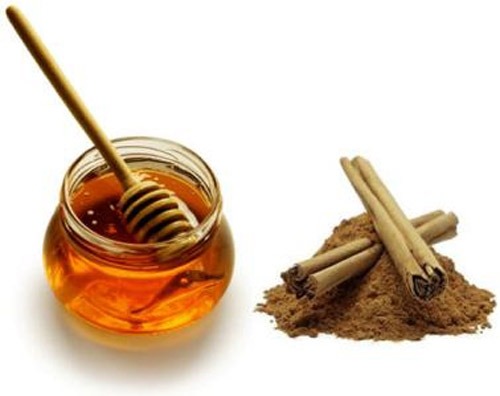
HAIR LOSS: Those suffering from hair loss or baldness, may apply a paste of hot olive oil, one tablespoon of honey, one teaspoon of cinnamon powder before bath and keep it for approx. 15 min. and then wash the hair. It was found to be effective even if kept on for 5 minutes.
At least the patch is not noticeable right now.

Hair Loss Home Remedy

I have this bald patch and I have no idea where it came from! It looks as though I lost two locks in the front (2nd row on the left hand side). During my last re-tightening, I let someone do my edges and it was not my regular lady... what happened?!! I am now massaging my scalp with my rosemary and bergamot oil mix. I am crying on the inside! Right when I grew my previous patches after switching consultants to a woman with a more tender touch... choose your consultants wisely or do it yourself! Maybe it is the postpartum hormones balancing and hopefully I can rectify the situation!
I found this home remedy for hair loss from Seasoned To Taste, hope it works!
HAIR LOSS: Those suffering from hair loss or baldness, may apply a paste of hot olive oil, one tablespoon of honey, one teaspoon of cinnamon powder before bath and keep it for approx. 15 min. and then wash the hair. It was found to be effective even if kept on for 5 minutes.
At least the patch is not noticeable right now.

Popular Posts

Archive

@Instagram