health
It’s a really tough season right now. Most of us are dealing with collective trauma from COVID-19 and social injustice. While this sponsored post is about how we eat. I think content that reminds us that we owe it to ourselves and to the community of folks that love us, to always engage in intentional self-care is important.

Earlier this year, my doctor noted that I needed to make a number of changes to help with my progressive weight gain, low energy, and poor sleep habits. What and how I consume food are a part of that. Always Eat After 7PM is a three-phase program that teaches you how to lose big by strategically eating big when you are naturally hungriest—in the evening. This could sound a little too good to be true, but it doesn’t seem like a gimmick. It’s all about making strategic and smart food swaps, and you can still eat your favorite foods.


I decided that I wanted to have a healthy relationship with food. I did not want dieting to consume my mental and spiritual journey. And at the end of my life, my greatest accomplishment should not be that I lost 5 pounds. I want to do a great many things while being physically and mentally healthy.

One of the ways that I am intentional about what I put in my body, while not letting it consume my life (and each person needs to do what makes sense for them), is intermittent fasting. Intermittent fasting really shines when it comes to improving the hormones that directly affect your hunger, blood sugar, and metabolism. One is insulin. Intermittent fasting combats insulin resistance, meaning that it helps your body use insulin more normally, thereby lowering your diabetes risk and boosting your metabolism. Since my mother has diabetes, this is something I have to be ever cautious about.


Always Eat After 7 PM, written by Certified Sports Nutritionist Joel Marion, is a diet designed to work with your body’s natural hormonal systems, instead of working against them.
For me, intermittent fasting coupled with eating specific foods that helped my metabolism seems to work. Going without breakfast is part of intermittent fasting (IF), also called time-restricted feeding (TRF). IF is a pattern of food consumption that cycles between fasting and eating in specific time periods. There are various ways to do it; one of the most common is the 16/8 protocol, which involves 16 hours of fasting—typically done overnight—with an 8-hour window in which to eat each day. Since I work a traditional 9-5 (even though remotely at the moment) I particularly enjoy cooking an elaborate dinner. It’s how I wind down. It’s how I disconnect from the workday and reconnect with my personal life. In a nutshell, this diet makes sense for me on multiple levels, it just fits.

Do what makes sense for you.  Make it something you can maintain long-term. Make sure it doesn’t add any added material stress. And just try to live your best life, whatever that may look like.

If you are interested and have time, learn more here:


The Science:

Top Tips:
Tracking Pixel
  • Wednesday, May 27, 2020

Why I choose to Always Eat After 7PM

It’s a really tough season right now. Most of us are dealing with collective trauma from COVID-19 and social injustice. While this sponsored post is about how we eat. I think content that reminds us that we owe it to ourselves and to the community of folks that love us, to always engage in intentional self-care is important.

Earlier this year, my doctor noted that I needed to make a number of changes to help with my progressive weight gain, low energy, and poor sleep habits. What and how I consume food are a part of that. Always Eat After 7PM is a three-phase program that teaches you how to lose big by strategically eating big when you are naturally hungriest—in the evening. This could sound a little too good to be true, but it doesn’t seem like a gimmick. It’s all about making strategic and smart food swaps, and you can still eat your favorite foods.


I decided that I wanted to have a healthy relationship with food. I did not want dieting to consume my mental and spiritual journey. And at the end of my life, my greatest accomplishment should not be that I lost 5 pounds. I want to do a great many things while being physically and mentally healthy.

One of the ways that I am intentional about what I put in my body, while not letting it consume my life (and each person needs to do what makes sense for them), is intermittent fasting. Intermittent fasting really shines when it comes to improving the hormones that directly affect your hunger, blood sugar, and metabolism. One is insulin. Intermittent fasting combats insulin resistance, meaning that it helps your body use insulin more normally, thereby lowering your diabetes risk and boosting your metabolism. Since my mother has diabetes, this is something I have to be ever cautious about.


Always Eat After 7 PM, written by Certified Sports Nutritionist Joel Marion, is a diet designed to work with your body’s natural hormonal systems, instead of working against them.
For me, intermittent fasting coupled with eating specific foods that helped my metabolism seems to work. Going without breakfast is part of intermittent fasting (IF), also called time-restricted feeding (TRF). IF is a pattern of food consumption that cycles between fasting and eating in specific time periods. There are various ways to do it; one of the most common is the 16/8 protocol, which involves 16 hours of fasting—typically done overnight—with an 8-hour window in which to eat each day. Since I work a traditional 9-5 (even though remotely at the moment) I particularly enjoy cooking an elaborate dinner. It’s how I wind down. It’s how I disconnect from the workday and reconnect with my personal life. In a nutshell, this diet makes sense for me on multiple levels, it just fits.

Do what makes sense for you.  Make it something you can maintain long-term. Make sure it doesn’t add any added material stress. And just try to live your best life, whatever that may look like.

If you are interested and have time, learn more here:


The Science:

Top Tips:
Tracking Pixel


Most people aren't aware that 80% of our immune system is in the gut. In the age of COVID-19, we have to use every tool in our arsenal to keep our immune system optimal.

Don't let the latest trendy health berry or rare plant that cost $100 an ounce burn through your whole check. You might be passing by and taking for granted some of the most powerful immune-boosting foods in the world. All within the reach of your budget.

Affordable immunity-boosting foods:

1. Garlic


Garlic is not only packed full of flavor, but it’s also packed with health benefits such as lowering blood pressure and reducing the risk of heart disease. Garlic’s immunity-boosting abilities come from its heavy concentration of sulfur-containing compounds, which can help fight off infections.

A 2001 study published in Advances in Therapy showed that garlic has been shown to help ward off the common cold.

Experts suggest consuming two to three cloves per day. My mother has taken garlic for years when her blood pressure was on the rise or she was feeling the beginnings of an illness. She swears by it.


2. Ginger


Ginger is among the healthiest spices on the planet. Loaded with nutrients and bioactive compounds that have powerful benefits for your body and brain, ginger is known to help with everything from indigestion, menstrual cramps,  muscle aches, inflammation and possibly even Alzheimers.

Due to its strong anti-inflammatory and antioxidant effects, ginger may boost immune health.

Although some inflammation is an important part of the normal immune response, chronic inflammation can hurt your immune system, and possibly increase your chances of illness.

Increasing the consumption of antioxidant-rich foods like ginger shots can help fight inflammation and keep your immune system healthy.

Fresh ginger may also be effective against the RSV virus, a common cause of respiratory infections.

3. Onion


Few realize the onions are a superfood. Onions are low in calories and high in beneficial nutrients like vitamins, minerals, and antioxidants, have certain phytochemicals that act as stimulants for vitamin C within the body. Vitamin C boosts your immune system by fighting against toxins that can lead to numerous diseases and chronic illnesses.

Onions are packed with immune-boosting nutrients like selenium, sulfur compounds, zinc, and vitamin C. In addition, they are one of the best sources of quercetin, a potent flavonoid, and antioxidant that has antiviral properties as well as histamine regulating effects.

Onions have been used to remedy a plethora of ailments:

  • Sore throat - Onions contain sulfur compounds that fight and promote the expulsion of mucus from airways. Onion is considered to be the most powerful natural antibiotics, which can fight off both viral and bacterial infections, and ease the symptoms of sore throat. 
  • High fever - Onions help lower body temperature and relieve body aches caused by fever. Chop an onion into small pieces, put in a glass container. Add drinking water and let sit for seven hours. Drink mixture three to four times a day. 
  • Cold, cough and flu - see above for why. 
My favorite catch-all remedy is sliced onion, soaked in local honey with ginger and garlic. My dad swears by it for preventing or curing an ailment. Drink a tablespoon regularly. 

4. Turmeric


Tumeric has been the superfood of choice for centuries. It helps with pain and inflammation but also  helps
  • fight cancer
  • combat depression
  • improve memory
  • promote healing and kill bacteria
Turmeric helps bolster the immune system by increasing the immunomodulating capacity of the body. Adding turmeric into your diet during periods of stress or during flu season can help give your immune system a little boost. There’s a compound in turmeric called curcumin, which has anti-inflammatory and antioxidant properties. It helps relieve soreness. It’s also been linked to a ton of other benefits, like reducing bloating and promoting gut health. Make sure you make the most out of your turmeric by pairing it with black pepper. The curcumin compound isn’t easily absorbed by the body and black pepper has a compound to help.

Tumeric is great in a number of savory dishes but try a superfood drink:


Golden Milk Latte

Ingredients
1 cup of nut milk  (almond, cashew, etc)
1 tbsp of freshly grated turmeric root, or 1 tsp of ground
1 tbsp of freshly grated ginger root, or 1 tsp of ground
1 tsp of ground cinnamon
Sweetener of choice (local honey is recommended)
A pinch of pepper
1. In a small pot on the stove, gently heat cashew milk over low heat.
2. Whisk in turmeric, ginger, and cinnamon until frothy, adding sweetener to taste.
3. Pour in your favorite mug and sprinkle with ground pepper. Done and done!
Other turmeric products:

Staying healthy takes a holistic outlook. Wash your hands, get enough sleep, and eat the right foods.

  • Saturday, April 11, 2020

4 of the Best & Affordable Immunity Boosting Foods


Most people aren't aware that 80% of our immune system is in the gut. In the age of COVID-19, we have to use every tool in our arsenal to keep our immune system optimal.

Don't let the latest trendy health berry or rare plant that cost $100 an ounce burn through your whole check. You might be passing by and taking for granted some of the most powerful immune-boosting foods in the world. All within the reach of your budget.

Affordable immunity-boosting foods:

1. Garlic


Garlic is not only packed full of flavor, but it’s also packed with health benefits such as lowering blood pressure and reducing the risk of heart disease. Garlic’s immunity-boosting abilities come from its heavy concentration of sulfur-containing compounds, which can help fight off infections.

A 2001 study published in Advances in Therapy showed that garlic has been shown to help ward off the common cold.

Experts suggest consuming two to three cloves per day. My mother has taken garlic for years when her blood pressure was on the rise or she was feeling the beginnings of an illness. She swears by it.


2. Ginger


Ginger is among the healthiest spices on the planet. Loaded with nutrients and bioactive compounds that have powerful benefits for your body and brain, ginger is known to help with everything from indigestion, menstrual cramps,  muscle aches, inflammation and possibly even Alzheimers.

Due to its strong anti-inflammatory and antioxidant effects, ginger may boost immune health.

Although some inflammation is an important part of the normal immune response, chronic inflammation can hurt your immune system, and possibly increase your chances of illness.

Increasing the consumption of antioxidant-rich foods like ginger shots can help fight inflammation and keep your immune system healthy.

Fresh ginger may also be effective against the RSV virus, a common cause of respiratory infections.

3. Onion


Few realize the onions are a superfood. Onions are low in calories and high in beneficial nutrients like vitamins, minerals, and antioxidants, have certain phytochemicals that act as stimulants for vitamin C within the body. Vitamin C boosts your immune system by fighting against toxins that can lead to numerous diseases and chronic illnesses.

Onions are packed with immune-boosting nutrients like selenium, sulfur compounds, zinc, and vitamin C. In addition, they are one of the best sources of quercetin, a potent flavonoid, and antioxidant that has antiviral properties as well as histamine regulating effects.

Onions have been used to remedy a plethora of ailments:

  • Sore throat - Onions contain sulfur compounds that fight and promote the expulsion of mucus from airways. Onion is considered to be the most powerful natural antibiotics, which can fight off both viral and bacterial infections, and ease the symptoms of sore throat. 
  • High fever - Onions help lower body temperature and relieve body aches caused by fever. Chop an onion into small pieces, put in a glass container. Add drinking water and let sit for seven hours. Drink mixture three to four times a day. 
  • Cold, cough and flu - see above for why. 
My favorite catch-all remedy is sliced onion, soaked in local honey with ginger and garlic. My dad swears by it for preventing or curing an ailment. Drink a tablespoon regularly. 

4. Turmeric


Tumeric has been the superfood of choice for centuries. It helps with pain and inflammation but also  helps
  • fight cancer
  • combat depression
  • improve memory
  • promote healing and kill bacteria
Turmeric helps bolster the immune system by increasing the immunomodulating capacity of the body. Adding turmeric into your diet during periods of stress or during flu season can help give your immune system a little boost. There’s a compound in turmeric called curcumin, which has anti-inflammatory and antioxidant properties. It helps relieve soreness. It’s also been linked to a ton of other benefits, like reducing bloating and promoting gut health. Make sure you make the most out of your turmeric by pairing it with black pepper. The curcumin compound isn’t easily absorbed by the body and black pepper has a compound to help.

Tumeric is great in a number of savory dishes but try a superfood drink:


Golden Milk Latte

Ingredients
1 cup of nut milk  (almond, cashew, etc)
1 tbsp of freshly grated turmeric root, or 1 tsp of ground
1 tbsp of freshly grated ginger root, or 1 tsp of ground
1 tsp of ground cinnamon
Sweetener of choice (local honey is recommended)
A pinch of pepper
1. In a small pot on the stove, gently heat cashew milk over low heat.
2. Whisk in turmeric, ginger, and cinnamon until frothy, adding sweetener to taste.
3. Pour in your favorite mug and sprinkle with ground pepper. Done and done!
Other turmeric products:

Staying healthy takes a holistic outlook. Wash your hands, get enough sleep, and eat the right foods.


Each person and body is different, but I recently became aware of the importance of personally managing inflammation after experiencing a series of back pain flare-ups. One of the things I always ask my doctor is: what can I change in my overall lifestyle to improve my health situation or prevent future issues? This is where we had a rather enlightening conversation about managing inflammation.

There has been more social talk about anti-inflammatory medications, food and lifestyles but what is inflammation and why should you care about managing it? Basically, inflammation is your body's response to outside threats like stress, infection, or toxic chemicals. When the immune system senses one of these dangers, it responds by activating proteins meant to protect cells and tissues. Inflammation can be good in certain healthy situations but chronic inflammatory issues can have serious long and short term health implications like:

  • joint pain
  • cancer
  • painful periods / erectile dysfunction
  • leaky gut and other stomach issues 
  • autoimmune disorders
  • cardiovascular disease
  • sleep issues
  • has been linked with depression
  • can sabotage weight loss efforts
  • can damage your skin and cause premature aging

Basically chronic inflammation can downgrade all of your sexy and prevent you from living your best life.

Signals that you may have chronic inflammation
  • belly fat
  • high blood glucose levels
  • allergies
  • fatigue
  • digestive problems like gas, diarrhea, bloating, or constipation
  • skin problems like eczema or psoriasis
  • puffy face or eyes
If you believe this could be a health issue for you, contact your doctor. In the mean time here some simple ways to reduce your risk of inflammation:


1. Eat more anti-inflammatory foods and reduce your consumption of foods known to cause inflammation.

Last year, during one of my last rounds with major back pain, I immediately went on a fast where I avoided gluten, dairy, peanuts and sugars. I also upped my consumption of anti-inflammatory foods and I noticed a huge change in the how quickly I recovered. I've been careful with my consumption of foods that trigger my inflammation ever since.

A great anti-Inflammatory diet includes

  • leafy greens
  • salmon
  • walnuts
  • fermented foods—like kimchi
  • garlic
  • turmeric
  • pineapple
  • papaya
  • beets
  • ginger
  • avoiding overly processed foods and refined sugars
2. Careful what you drink

Avoid alcoholic beverages as well as caffeine and consider drinking kombucha, green tea, or make an anti-inflammatory green leafy smoothie with a bit of pineapple and papaya.

3. Get more sleep

A nap pretty much seems to solve half of my problems, not much has changed since childhood. There is some research that shows that a lack of sleep causes inflammation. If you have issues falling or staying asleep, consider 
  • drinking sleep tea
  • consider a melatonin supplement (which was a game changer for me)
  • burn a lavender candle or use a lavender essential oil lotion before bed
  •  and stay away from the light of those digital devices like your tv or phone


4. Manage your mindset to manage your stress

Chronic stress can lead to inflammation in addition to many other health issues. If you have stressors, consider ways to avoid and expel them from your life but if its a difficult season (i.e. new parent, new job, or just life) there are ways to manage how you react to stress and create peace and calm, consider:
  • breathing exercises, prayer, and or meditation, try a great meditation app like headspace
  • exercise that non-stressful and improves your health and increases your joy (like pilates or dance)
  • avoid caffiene
  • be in community with people who you can trust and talk to (maybe that is a therapist or a BFF)
  • verbal positivity (talk to yourself, be encouraging and use verbal affirmations with yourself)
Managing inflammation, for me has been a game-changer, and has improved both my health and my skin. 

4 Easy Ways to Fight Inflammation


Each person and body is different, but I recently became aware of the importance of personally managing inflammation after experiencing a series of back pain flare-ups. One of the things I always ask my doctor is: what can I change in my overall lifestyle to improve my health situation or prevent future issues? This is where we had a rather enlightening conversation about managing inflammation.

There has been more social talk about anti-inflammatory medications, food and lifestyles but what is inflammation and why should you care about managing it? Basically, inflammation is your body's response to outside threats like stress, infection, or toxic chemicals. When the immune system senses one of these dangers, it responds by activating proteins meant to protect cells and tissues. Inflammation can be good in certain healthy situations but chronic inflammatory issues can have serious long and short term health implications like:

  • joint pain
  • cancer
  • painful periods / erectile dysfunction
  • leaky gut and other stomach issues 
  • autoimmune disorders
  • cardiovascular disease
  • sleep issues
  • has been linked with depression
  • can sabotage weight loss efforts
  • can damage your skin and cause premature aging

Basically chronic inflammation can downgrade all of your sexy and prevent you from living your best life.

Signals that you may have chronic inflammation
  • belly fat
  • high blood glucose levels
  • allergies
  • fatigue
  • digestive problems like gas, diarrhea, bloating, or constipation
  • skin problems like eczema or psoriasis
  • puffy face or eyes
If you believe this could be a health issue for you, contact your doctor. In the mean time here some simple ways to reduce your risk of inflammation:


1. Eat more anti-inflammatory foods and reduce your consumption of foods known to cause inflammation.

Last year, during one of my last rounds with major back pain, I immediately went on a fast where I avoided gluten, dairy, peanuts and sugars. I also upped my consumption of anti-inflammatory foods and I noticed a huge change in the how quickly I recovered. I've been careful with my consumption of foods that trigger my inflammation ever since.

A great anti-Inflammatory diet includes

  • leafy greens
  • salmon
  • walnuts
  • fermented foods—like kimchi
  • garlic
  • turmeric
  • pineapple
  • papaya
  • beets
  • ginger
  • avoiding overly processed foods and refined sugars
2. Careful what you drink

Avoid alcoholic beverages as well as caffeine and consider drinking kombucha, green tea, or make an anti-inflammatory green leafy smoothie with a bit of pineapple and papaya.

3. Get more sleep

A nap pretty much seems to solve half of my problems, not much has changed since childhood. There is some research that shows that a lack of sleep causes inflammation. If you have issues falling or staying asleep, consider 
  • drinking sleep tea
  • consider a melatonin supplement (which was a game changer for me)
  • burn a lavender candle or use a lavender essential oil lotion before bed
  •  and stay away from the light of those digital devices like your tv or phone


4. Manage your mindset to manage your stress

Chronic stress can lead to inflammation in addition to many other health issues. If you have stressors, consider ways to avoid and expel them from your life but if its a difficult season (i.e. new parent, new job, or just life) there are ways to manage how you react to stress and create peace and calm, consider:
  • breathing exercises, prayer, and or meditation, try a great meditation app like headspace
  • exercise that non-stressful and improves your health and increases your joy (like pilates or dance)
  • avoid caffiene
  • be in community with people who you can trust and talk to (maybe that is a therapist or a BFF)
  • verbal positivity (talk to yourself, be encouraging and use verbal affirmations with yourself)
Managing inflammation, for me has been a game-changer, and has improved both my health and my skin. 

Can you imagine being a grown woman in the age of peak wokeness and body positivity and still fear being transparent with your trusted squad, or even your doctor, about what is going on with your body? This very thing is happening to women all over. Always Discreet reached out to me and asked if I would consider writing about a sensitive health issue few women talk about: urinary incontinence and bladder leaks.

I'm not one to shy away from the difficult topics, especially those impacting women (of color). The hard conversations we avoid because of the embarrassment or stigma associated with it. The fact that many women are so embarrassed they are hesitant to speak up about symptoms, even at the doctor's office, is reason enough to talk openly and candidly about this topic. This level of shame, especially where our bodies are concerned, is just unacceptable.

More Common Than You Think

The first time I ever had an open discussion about bladder leaks was during a breastfeeding support group I was a part of after having my first daughter. One of the young women in the group found that she would accidentally pee a little anytime she would sneeze, laugh, or try to become more active since giving birth. Her midwife informed her that this sometimes happens to women because childbirth is known to weaken the pelvic floor muscles. Another mom chimed in that she had the small occasional accident when she was pregnant because of all the pressure on her bladder.

You have to understand that we were a group of women so comfortable with each other that we whipped our boobs out in front of each other and while swapping our new #momlife wins and fails. We felt safe with each other, we left judgement, and as a result shame, outside of that room. So, someone wouldn't hesitate to admit they would pee a little when they coughed and I did not find it the least bit off-putting.

More than 13 million Americans experience incontinence, with women twice as likely to have it as men. According to the Agency for Healthcare Research and Quality, somewhere between 25% to 45% of women experience urinary incontinence. Women in every age group may face this issue from teens to those in their golden years and can be a result of any number of things from sports injuries to diabetes. This is not an uncommon medical condition with treatment options and plenty of products available, like Always Discreet, that help you continue to live your best life while pursuing your treatment options.


Maintaining Your Quality of Life

Bladder leaks can impact your self-confidence and body image. Many people live in fear of their next accident, so many are putting up with this common condition in shame, held hostage in their daily lives. If this is you or someone you love, you don't have to. Take these steps to bring yourself closer to freedom:
  1. As your first line of defense: buy a great absorbent pad like Always Discreet, which, unlike period pads, is specially designed for bladder leaks; new moms (like those from my breastfeeding support group) may find a product like Always Discreet Very Light Liners, with their thin and flexible design to be the perfect fit
  2. Make a few lifestyle changes like avoiding caffeine, which is a diuretic that can trigger more leaks
  3. Educate yourself about the common types of urinary incontinence
  4. Try to determine your type & read up on it
  5. Engage a professional for formal diagnosis and to determine the best treatment for you to get your confidence and life back

Bladder leaks isn’t something to be ashamed of, millions of people face this issue and you (or your loved one) are not alone. Don’t stay in the dark and don’t be afraid to explore the great products and other resources out there that can help.

By the way, you can try Always Discreet for yourself with these great coupon offers, and don’t be embarrassed, come back and let me know how your journey is going!

This post was sponsored by Always Discreet but all opinion are my own.

  • Thursday, July 20, 2017

Real Talk: The Health Issue Women are Embarrassed to Talk About


Can you imagine being a grown woman in the age of peak wokeness and body positivity and still fear being transparent with your trusted squad, or even your doctor, about what is going on with your body? This very thing is happening to women all over. Always Discreet reached out to me and asked if I would consider writing about a sensitive health issue few women talk about: urinary incontinence and bladder leaks.

I'm not one to shy away from the difficult topics, especially those impacting women (of color). The hard conversations we avoid because of the embarrassment or stigma associated with it. The fact that many women are so embarrassed they are hesitant to speak up about symptoms, even at the doctor's office, is reason enough to talk openly and candidly about this topic. This level of shame, especially where our bodies are concerned, is just unacceptable.

More Common Than You Think

The first time I ever had an open discussion about bladder leaks was during a breastfeeding support group I was a part of after having my first daughter. One of the young women in the group found that she would accidentally pee a little anytime she would sneeze, laugh, or try to become more active since giving birth. Her midwife informed her that this sometimes happens to women because childbirth is known to weaken the pelvic floor muscles. Another mom chimed in that she had the small occasional accident when she was pregnant because of all the pressure on her bladder.

You have to understand that we were a group of women so comfortable with each other that we whipped our boobs out in front of each other and while swapping our new #momlife wins and fails. We felt safe with each other, we left judgement, and as a result shame, outside of that room. So, someone wouldn't hesitate to admit they would pee a little when they coughed and I did not find it the least bit off-putting.

More than 13 million Americans experience incontinence, with women twice as likely to have it as men. According to the Agency for Healthcare Research and Quality, somewhere between 25% to 45% of women experience urinary incontinence. Women in every age group may face this issue from teens to those in their golden years and can be a result of any number of things from sports injuries to diabetes. This is not an uncommon medical condition with treatment options and plenty of products available, like Always Discreet, that help you continue to live your best life while pursuing your treatment options.


Maintaining Your Quality of Life

Bladder leaks can impact your self-confidence and body image. Many people live in fear of their next accident, so many are putting up with this common condition in shame, held hostage in their daily lives. If this is you or someone you love, you don't have to. Take these steps to bring yourself closer to freedom:
  1. As your first line of defense: buy a great absorbent pad like Always Discreet, which, unlike period pads, is specially designed for bladder leaks; new moms (like those from my breastfeeding support group) may find a product like Always Discreet Very Light Liners, with their thin and flexible design to be the perfect fit
  2. Make a few lifestyle changes like avoiding caffeine, which is a diuretic that can trigger more leaks
  3. Educate yourself about the common types of urinary incontinence
  4. Try to determine your type & read up on it
  5. Engage a professional for formal diagnosis and to determine the best treatment for you to get your confidence and life back

Bladder leaks isn’t something to be ashamed of, millions of people face this issue and you (or your loved one) are not alone. Don’t stay in the dark and don’t be afraid to explore the great products and other resources out there that can help.

By the way, you can try Always Discreet for yourself with these great coupon offers, and don’t be embarrassed, come back and let me know how your journey is going!

This post was sponsored by Always Discreet but all opinion are my own.


chia fruit tea

I'm always looking out for an alternative to coffee. I work in corporate finance, have a husband, two kiddies and I'm an evening entrepreneur, needless to say, I'm occasionally sleep deficient. This hurts me in more ways than one -- impaired metabolism, occasional mood swings, a genuine dislike for early morning sunlight.  And then there is the fact that I tend to overeat for the energy to stay awake during those difficult stretches during the day.

I'm trying my best to get to bed before 3 AM, but on those stretches where my nocturnal nature takes hold and I am inspired in the wee hours of the morning and evening, I make above average food and beverage choices like nutrient rich chia in green smoothies or antioxidant teas.

I conjured up this gem of a drink this morning, and I was feeling super sexy (i.e. energized, focused, and centered). Here is the recipe, give it a try and don't be afraid to modify to suit your taste.


print recipe

Chia Infused Energy Tea
Nutrient rich and fiber rich chia infused tea.
Ingredients
  • 1 tea bag Lipton Lemon Ginger Tea
  • 1 tea bag Trader Joe's Pomegranate White Tea (substitute with any of your favorite tea's)
  • 2 tbsp Raw Organic Honey
  • 1/4 cup Hydrated Chia
  • 2-3 thin slices Organic Lemon
Instructions
1. Set water to boil 2. Steep 2 antioxidant tea bags in about 1.5 cups of water for up to 5 minutes 3. Add 1 cup of cold water4. Add honey5. Add hydrated chia6. Shake until well blended and enjoy
Details
Prep time: Cook time: Total time: Yield: 2 servings

Side note: I add cold water before adding honey or chia to take advantage of raw nutrients.

Hydrated chia

To prepare hydrated chia seed take 1/4 cup dry chia seeds and mix with 1 cup of water. Shake well and store in refrigerate in a sealed container. I keep hydrated chia on hand and mix into my smoothies.


Benefits of Chia


  • Massive amount of nutrients (in some instances more than kale, spinach and blueberries) with few calories.
  • Considered a whole grain and is very high in  soluble fiber. Soluble fibers help our bodies to eliminate the hormonal excess metabolized by the liver, dumping it in the intestines. 
  • Very high in antioxidants, which fight the production of free radicals, which can damage molecules in cells.
  • Fairly high in protein (14%), a higher protein intake reduces appetite and has been shown to reduce obsessive thoughts about food by 60% and the desire for night time snacking by 50%.
  • Chia contains more Omega-3s than salmon.
  • It helps improve the health of individuals with type - 2 diabetes and can help regulate blood sugar.
  • Is recommended for pre-workout consumption because studies have shown that chia can help with athletic endurance.


  • Tuesday, May 03, 2016

Chia Infused Energy Tea


chia fruit tea

I'm always looking out for an alternative to coffee. I work in corporate finance, have a husband, two kiddies and I'm an evening entrepreneur, needless to say, I'm occasionally sleep deficient. This hurts me in more ways than one -- impaired metabolism, occasional mood swings, a genuine dislike for early morning sunlight.  And then there is the fact that I tend to overeat for the energy to stay awake during those difficult stretches during the day.

I'm trying my best to get to bed before 3 AM, but on those stretches where my nocturnal nature takes hold and I am inspired in the wee hours of the morning and evening, I make above average food and beverage choices like nutrient rich chia in green smoothies or antioxidant teas.

I conjured up this gem of a drink this morning, and I was feeling super sexy (i.e. energized, focused, and centered). Here is the recipe, give it a try and don't be afraid to modify to suit your taste.


print recipe

Chia Infused Energy Tea
Nutrient rich and fiber rich chia infused tea.
Ingredients
  • 1 tea bag Lipton Lemon Ginger Tea
  • 1 tea bag Trader Joe's Pomegranate White Tea (substitute with any of your favorite tea's)
  • 2 tbsp Raw Organic Honey
  • 1/4 cup Hydrated Chia
  • 2-3 thin slices Organic Lemon
Instructions
1. Set water to boil 2. Steep 2 antioxidant tea bags in about 1.5 cups of water for up to 5 minutes 3. Add 1 cup of cold water4. Add honey5. Add hydrated chia6. Shake until well blended and enjoy
Details
Prep time: Cook time: Total time: Yield: 2 servings

Side note: I add cold water before adding honey or chia to take advantage of raw nutrients.

Hydrated chia

To prepare hydrated chia seed take 1/4 cup dry chia seeds and mix with 1 cup of water. Shake well and store in refrigerate in a sealed container. I keep hydrated chia on hand and mix into my smoothies.


Benefits of Chia


  • Massive amount of nutrients (in some instances more than kale, spinach and blueberries) with few calories.
  • Considered a whole grain and is very high in  soluble fiber. Soluble fibers help our bodies to eliminate the hormonal excess metabolized by the liver, dumping it in the intestines. 
  • Very high in antioxidants, which fight the production of free radicals, which can damage molecules in cells.
  • Fairly high in protein (14%), a higher protein intake reduces appetite and has been shown to reduce obsessive thoughts about food by 60% and the desire for night time snacking by 50%.
  • Chia contains more Omega-3s than salmon.
  • It helps improve the health of individuals with type - 2 diabetes and can help regulate blood sugar.
  • Is recommended for pre-workout consumption because studies have shown that chia can help with athletic endurance.


The other day I posted the following pic on instagram and the Sisterlocked Facebook group with the caption, "Hydrated raw chia before dinner. Nothing like wearing a bathing suit to light a fire under your weight loss game! #locs #sisterlocks #healthyeating" and a few folks asked me how it worked.


I use Chia seeds as an alternative to afternoon coffee at work and as an aid in my weight loss goal. Chia is a real higher energy super food with nutritional value that exceeds most fruits (like blueberries) and many leafy greens, which is why I can use as an alternative to afternoon coffee at work.

  • Tuesday, August 19, 2014

Chia Gives Me Life

The other day I posted the following pic on instagram and the Sisterlocked Facebook group with the caption, "Hydrated raw chia before dinner. Nothing like wearing a bathing suit to light a fire under your weight loss game! #locs #sisterlocks #healthyeating" and a few folks asked me how it worked.


I use Chia seeds as an alternative to afternoon coffee at work and as an aid in my weight loss goal. Chia is a real higher energy super food with nutritional value that exceeds most fruits (like blueberries) and many leafy greens, which is why I can use as an alternative to afternoon coffee at work.

My corporate wellness nurse noted that my hair issues could stem from a lack of protein. But, I believe I eat plenty of protein, at least that is what MyfitnessPal.com tells me. I know I am genetically predisposed for low iron and I eat lots of iron rich foods and I have increased my red meat recently. But I wonder if diet is a culprit, any one who follows my life and marriage blog knows I eat wonderfully (see one of my new recipes below) but I wonder if my genetic iron issues is to blame. My blood work was superb and my thyroid functions perfectly so I know my hair-loss was not related to the more common issues.

Alas, I have decieded to eat a body and hair healthy diet as well as return to a rich chemical free and homemade scalp conditioning regiment (even though sisterlocks corporate frowns upon it).

Last Night I made Lemongrass Beef and Pho for dinner. For the recipe please visit here:
http://raisingself.com/grass-fed-lemongrass-beef-and-pho/


  • Tuesday, April 23, 2013

Healthy Diet Equals Healthy Hair: Lemongrass Beef and Pho

My corporate wellness nurse noted that my hair issues could stem from a lack of protein. But, I believe I eat plenty of protein, at least that is what MyfitnessPal.com tells me. I know I am genetically predisposed for low iron and I eat lots of iron rich foods and I have increased my red meat recently. But I wonder if diet is a culprit, any one who follows my life and marriage blog knows I eat wonderfully (see one of my new recipes below) but I wonder if my genetic iron issues is to blame. My blood work was superb and my thyroid functions perfectly so I know my hair-loss was not related to the more common issues.

Alas, I have decieded to eat a body and hair healthy diet as well as return to a rich chemical free and homemade scalp conditioning regiment (even though sisterlocks corporate frowns upon it).

Last Night I made Lemongrass Beef and Pho for dinner. For the recipe please visit here:
http://raisingself.com/grass-fed-lemongrass-beef-and-pho/


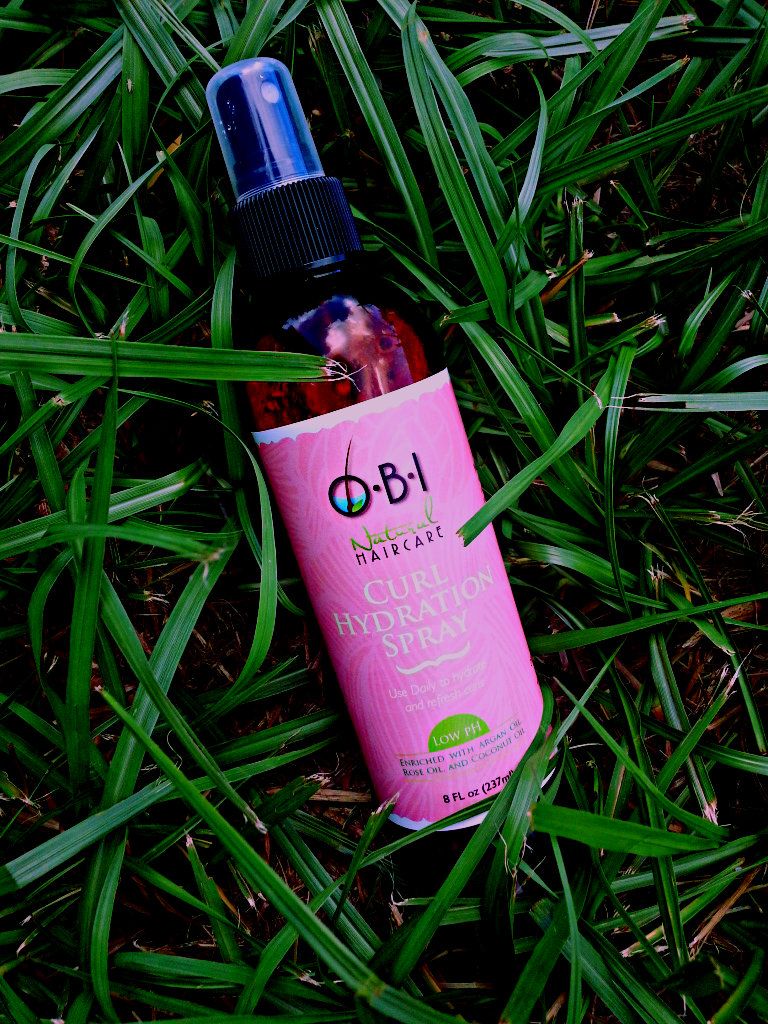
My family is trying some new products from a company I was recently introduced to, OBI Natural Hair Care. My sister and daughter have been testing their curl enhancing custard and curl moisture cream but I think their curl hydration spray might be perfect for everyday use on my sisterlocks. I don't like to try new products on dirty hair, because you don't get to see the full results. So I'm waiting until the deep hair cleansing I have planned this weekend to try OBI out.
Read More

Fun New Happenings: New Products, Gardening and New Consultant

My family is trying some new products from a company I was recently introduced to, OBI Natural Hair Care. My sister and daughter have been testing their curl enhancing custard and curl moisture cream but I think their curl hydration spray might be perfect for everyday use on my sisterlocks. I don't like to try new products on dirty hair, because you don't get to see the full results. So I'm waiting until the deep hair cleansing I have planned this weekend to try OBI out.
Read More

Herb and plant infusions that repair wear and tear to your hair can help you start with healthy hair at the root if consumed as a part of a balance diet. Think about what you eat, go for nutritionally complex meals in lieu of chemically complex meals.


  • Saturday, April 21, 2012

Healthy Hair to the Root

Herb and plant infusions that repair wear and tear to your hair can help you start with healthy hair at the root if consumed as a part of a balance diet. Think about what you eat, go for nutritionally complex meals in lieu of chemically complex meals.


Popular Posts

Archive

@Instagram